
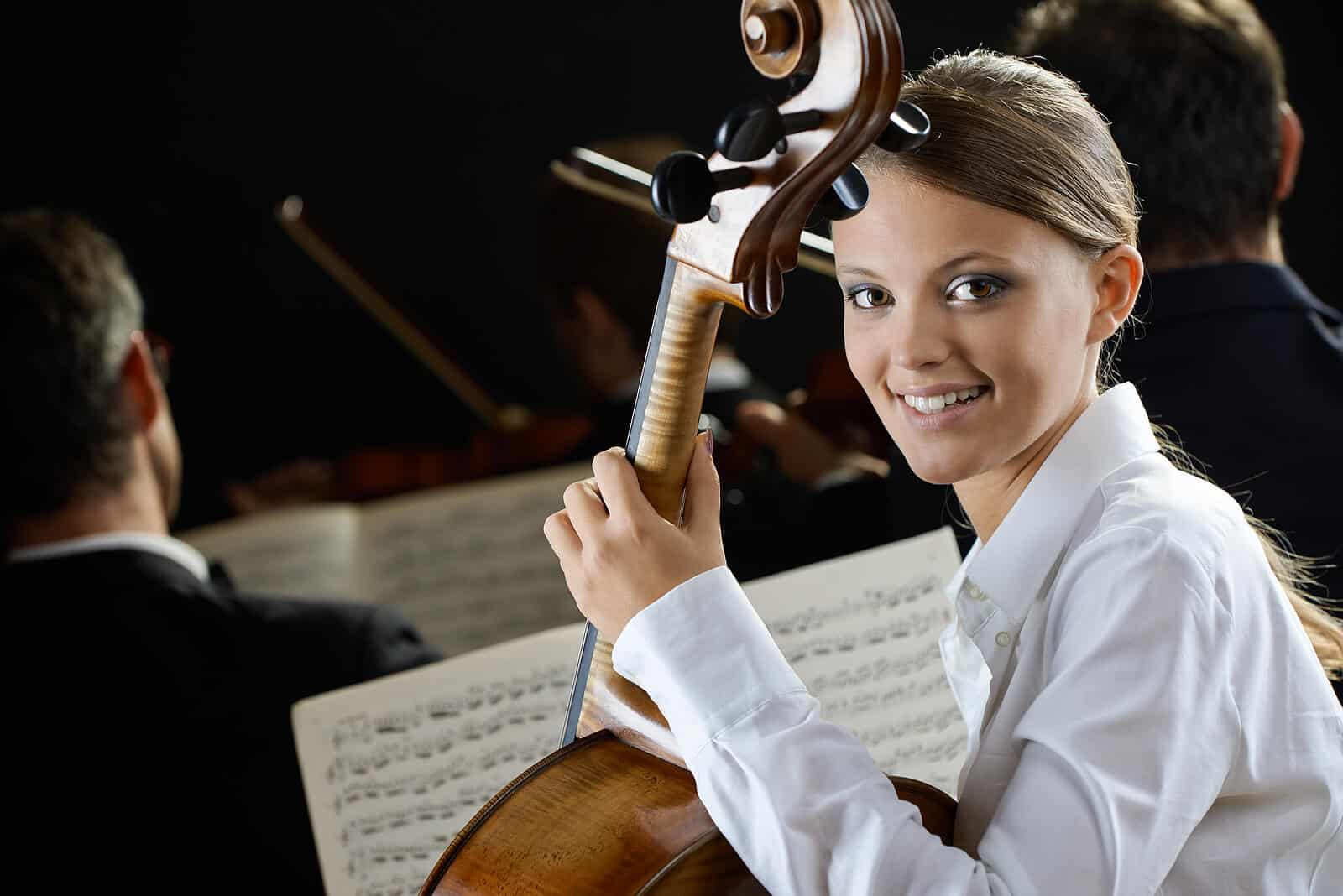
Music comes in different forms and can uplift people’s spirits or move them to tears. For the musicians who bring us these tunes, hearing isn’t just a sense but rather is the basis of their art. They need to perceive sounds accurately, from the notes and chords to the rhythm.
Despite how important hearing is, many musicians ignore an important aspect of their health, which is routine hearing examinations. Over time, the sounds that they enjoy listening to and making can damage their ears. Making sure that the gift of sound endures for a lifetime is the goal of protecting hearing, not avoiding music.
The Unspoken Danger of a Passion for Sound
The majority of musicians are unaware of the damage that sound causes to their ears until it becomes an issue. Hours of exposure to loud instruments and speakers are common during rehearsals, performances, and studio sessions. Noise levels may seem innocuous during the thrill of performing, but the sensitive structures of the ear can only withstand so much. Damage can accumulate subtly over years from even brief outbursts of sound above safe thresholds.
Although it’s simple to assume that hearing loss develops later in life, many musicians experience it much earlier. Early indicators that the ears are under stress include persistent ringing in the ears, muffled sound after performances, or trouble differentiating pitches in noisy environments. These changes can be detected early by routine hearing tests, long before they affect everyday communication or performance.
Why a Lot of Musicians Ignore the Red Flags
Musicians ignore hearing issues because they are so engrossed in their craft. Some people fear that admitting they have hearing loss will harm their career or reputation. Others assume that everything must be alright as long as they are still able to perform. Regretfully, this way of thinking permits minor issues to develop into major difficulties.
The gradual nature of noise-induced hearing loss is another factor contributing to the underreporting of hearing problems. It takes time for it to happen, and it gradually weakens the capacity to hear specific frequencies, beginning with high tones. Unaware of it, musicians may modify their playing or sound mixing to compensate. Regular hearing tests eliminate uncertainty and assist in monitoring even minute alterations before they begin to impair precision and self-assurance in music production.
Hearing Loss’s Effect on Musicianship
Hearing loss is more than just a medical condition for musicians. Rather, it may have a direct impact on performance. It could get harder to recognize pitches, particularly when separating close notes or tuning instruments. Timing can feel strange, and music can sound sluggish or distorted. What used to come naturally starts to take more concentration and mental work.
A musician’s emotional connection to sound can be impacted by even slight hearing changes. When tones change or ringing sounds overpower melodies, the pleasure of making music may diminish. Regular examinations of the ears allow musicians to address problems early, and with the correct treatment or hearing protection, clarity can often be restored.
How Hearing Examinations Help Musicians Play Longer
Just as athletes rely on their muscles, professional musicians rely on their hearing. Musicians gain from routine hearing tests, much like athletes do. By creating a baseline, these examinations enable experts to compare outcomes over time. Adjustments can be made to stop additional harm when changes occur.
Additionally, routine examinations offer tailored advice on how to preserve hearing during rehearsal and performance. Some musicians, for instance, opt for custom earplugs that reduce volume without compromising sound quality. Others adjust stage configurations and monitor placement in collaboration with sound engineers. Proactively maintaining one’s hearing doesn’t restrict creativity; on the contrary, it improves it, enabling musicians to perform with assurance and accuracy for many years to come.
Maintaining the Music’s Power and Clarity
If hearing loss is left untreated, it can end a musician’s career, but that doesn’t have to be so. Regular hearing tests pick up any changes early and then provide quick solutions. Musicians should add hearing health to their regular checkups so that they can play with more confidence.
A good option is to book a professional hearing test before the upcoming busy season. Hearing health professionals can check what the musician’s hearing level is and recommend protective measures. This way, the musician’s soundtrack of life remains strong and clear for a long time.

