
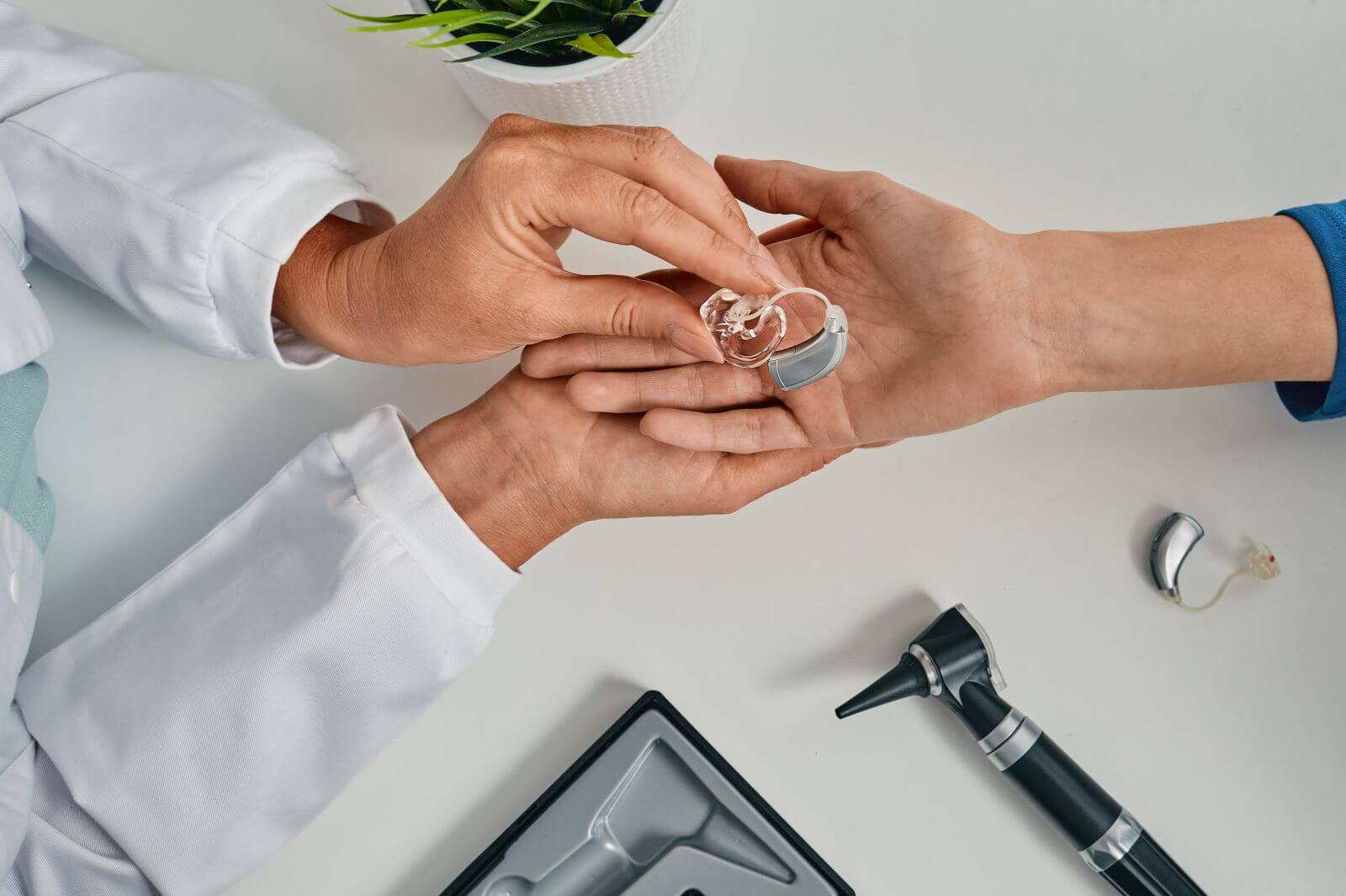
It sounds simple to keep hearing aids clean, yet it is one of the most frequent and neglected hearing care tasks. Investing a small amount of time in cleaning one’s hearing aids can yield a clear and loud sound, rather than causing constant irritation.
A lot of users inadvertently cut the working life of their devices or dull their performance by improper cleaning or not cleaning at all. The daily situation for hearing aids is that they are in a warm and moist place and, therefore, they receive earwax, oils, and dirt even more quickly than one would assume.
Wrong Cleaning Tools
Usually, a soft cloth and the tiny brush that came with the hearing aids will suffice. The problem occurs when people use cotton swabs, toothpicks, or even pins to get the wax out. Those sharp or absorbent tools may either push the debris further into the openings or break the fragile microphone ports and receivers.
Another mistake is using household cleaners or alcohol wipes. These liquids may cause the coating to come off, the plastic to warp, or the seals to be loosened. Hearing aids have not been specially designed for the strong chemical cleaning methods.
Daily Maintenance Skipping
It is often easy to overlook the fact that hearing aids are little electronic devices that are constantly in contact with moisture and dirt. The absence of daily quick wipes creates a situation where the dirt and wax accumulate and harden slowly over time. The hardened wax can block the sound ports, resulting in muffled output or distorted tones.
Some people believe that hearing aids are not working anymore when, in fact, it is just a matter of cleaning. Taking care of devices daily is not a complicated task; it just has to be done consistently.
Moisture And Condensation Are Ignored
Moisture is one of the worst enemies hearing aids face. It gradually comes in from perspiration, humidity, or a sudden change in the environment’s temperature, from outside to inside and vice versa.
A common misconception is that the devices can be placed on a bathroom counter or near a window where condensation is likely to occur without worry. Static, distortion, or total shutdown may ensue if the internal parts of the hearing aids get moisture in them. Depending on the model one has, some come with a drying box or dehumidifier specifically designed to keep them in.
Cleaning The Earmolds and Waxing Guards
Earmolds and wax guards are important for maintaining sound clarity in hearing aids. By omitting these parts, wax can block the vent, leading to a situation where hearing aids are quieter. Many users don’t realize that the problem is right between the speaker and the ear, so they try to change the battery or the settings.
Just doing these changes will not do the trick. Changing the wax guards, while properly caring for the earmolds (specifically for behind-the-ear models), should be done in very mild and soapy water. Keep them clear and comfy all the time.
Overcleaning or Applying Too Much Pressure
Inadequate cleaning will be just as damaging as overcleaning. Excessive brushing, pressing, or wiping may result in the loosening of delicate parts or the wearing down of protective coatings. Overcleaning runs the risk of breaking microphone covers or dislodging tubing more frequently than usual.
The best way to care for one’s devices is to treat them very gently and regularly. Cleaning should be firm enough to get rid of dirt but light enough not to cause strain to the device. The use of proper tools and adherence to a soft-touch routine will maintain both the function and the appearance of the device.
Scheduling Professional Maintenance and Long-Term Care
Professional attention is a must for hearing aids, even with perfect at-home care. A hearing health professional checking up routinely can look at the internal components, clean them thoroughly, and even spot the problems before they become really big ones. When problems arise, they will require more care to manage.
Professional maintenance is there along with daily care, and it supports the device’s function over time. Today, schedule a professional cleaning or hearing aid checkup to guarantee clear sound, lasting comfort, and the best protection for one’s hearing health investment.

