
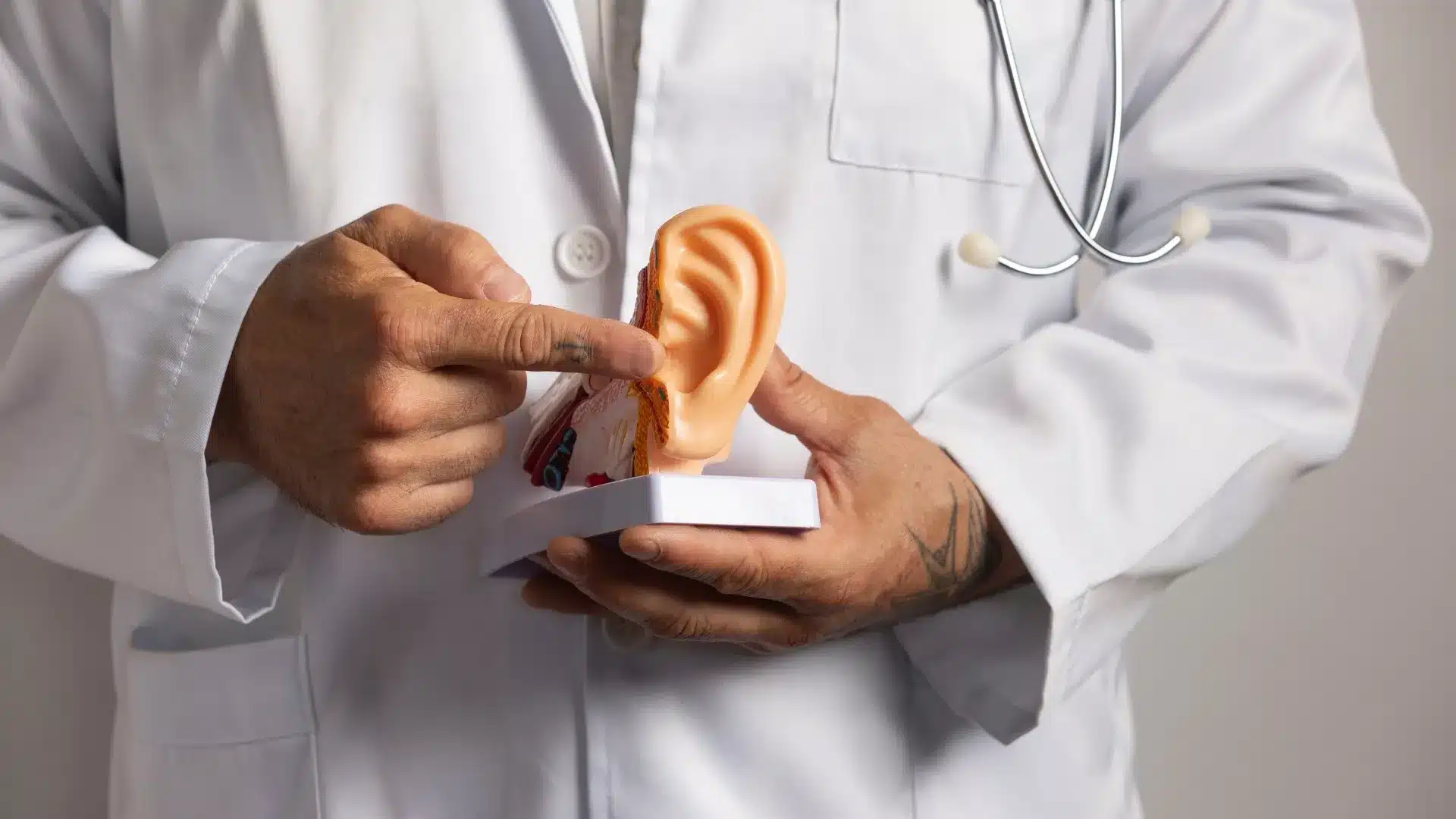
The physical structure of an ear remains an overlooked aspect of successfully addressing hearing health. While many focus on the ear’s internal structure and technology that goes inside it, the ear’s overall shape determines how that technology performs. Every curve and ridge acts as a natural acoustic processor, modifying sound before it reaches the eardrum.
When a device sits on the ear, it must work with these unique physical traits. Ignoring this landscape leads to discomfort, poor sound quality, and devices being left in drawers. Understanding the relationship between anatomy and acoustics helps patients and hearing health professionals achieve better outcomes through customized, precise hearing aid fittings.
Anatomy Shapes Every Sound Experience
The outer ear acts as a funnel, capturing sound waves and directing them toward the canal. This structure naturally amplifies frequencies that help people understand speech in noisy rooms. When a hearing aid fills these spaces, it alters the natural resonance the brain expects.
Hearing health professionals must account for how the helix and concha shape incoming signals to ensure digital processing matches physical reality. If the device sits incorrectly within these folds, the wearer might experience hollow or unnatural sound. A precise fit respects the natural geometry of the ear to maintain the organic quality of human speech.
Canal Curves Impact Comfort and Seal
Ear canals are rarely straight; they feature unique bends that differ for every individual. These curves determine how deeply a hearing aid sits and how well it stays in place during jaw movement. If a canal has a sharp turn, a rigid earmold might cause painful pressure points over time.
Furthermore, the canal changes shape when talking or chewing, which can break the acoustic seal and cause whistling. Professionals must choose materials that accommodate these shifts to prevent leakage. A perfect seal ensures amplified sound travels directly to the eardrum, optimizing the efficiency of the device.
Device Stability Hinges on Ear Ridges
The ridges and valleys of the outer ear provide the friction and support needed to keep a device secure. For behind-the-ear models, the space between the ear and the head must be wide enough to house the processor comfortably. If the ear sits close to the head, the device might tilt forward or feel unstable.
For in-the-ear models, the anti-tragus and concha bowl act as a shelf holding the instrument in place. Without structural support from these anatomical features, the hearing aid might slide out. Matching the device style to these ridges ensures it remains steady.
Physics of Sound in Small Ear Spaces
Small ear canals create higher sound pressure than larger ones, meaning a standard program might feel painfully loud. The volume of air between the hearing aid and eardrum changes the frequency response of the device. Hearing health professionals use real-ear measurements to see exactly how sound behaves inside that specific space.
This data allows for adjustments that prevent the “occlusion effect,” that plugged-up feeling where one’s own voice sounds as if it is inside a barrel. Tailoring the output to the specific volume of the canal creates a smooth, clear listening experience that avoids the discomfort of over-amplification.
Skin Sensitivity and Ear Canal Health
The skin inside the ear canal is incredibly thin and sensitive. Ear shape affects how air flows, impacting moisture levels and skin health. If a hearing aid blocks all airflow, moisture buildup can lead to irritation or infection. Some ears have narrow openings that trap heat, requiring a vented design to let the ear “breathe.”
Choosing the right material, such as silicone or acrylic, depends on how the ear shape handles contact. Maintaining a healthy environment inside the ear is just as important as the electronic settings for long-term success and comfortable, consistent daily wearability.
Successful Fittings Require Precision
Technology only truly shines when it’s tailored to your unique anatomy. Since no two ears share the same story, a “one-size-fits-all” approach always falls short. You deserve a hearing solution that feels like a natural part of you, not a foreign object.By prioritizing a custom fit, we eliminate the frustration of constant adjustments and replace it with effortless clarity. If you’re ready for a hearing experience that respects your individuality, let’s chat. Contact us today to schedule your personalized fitting

