
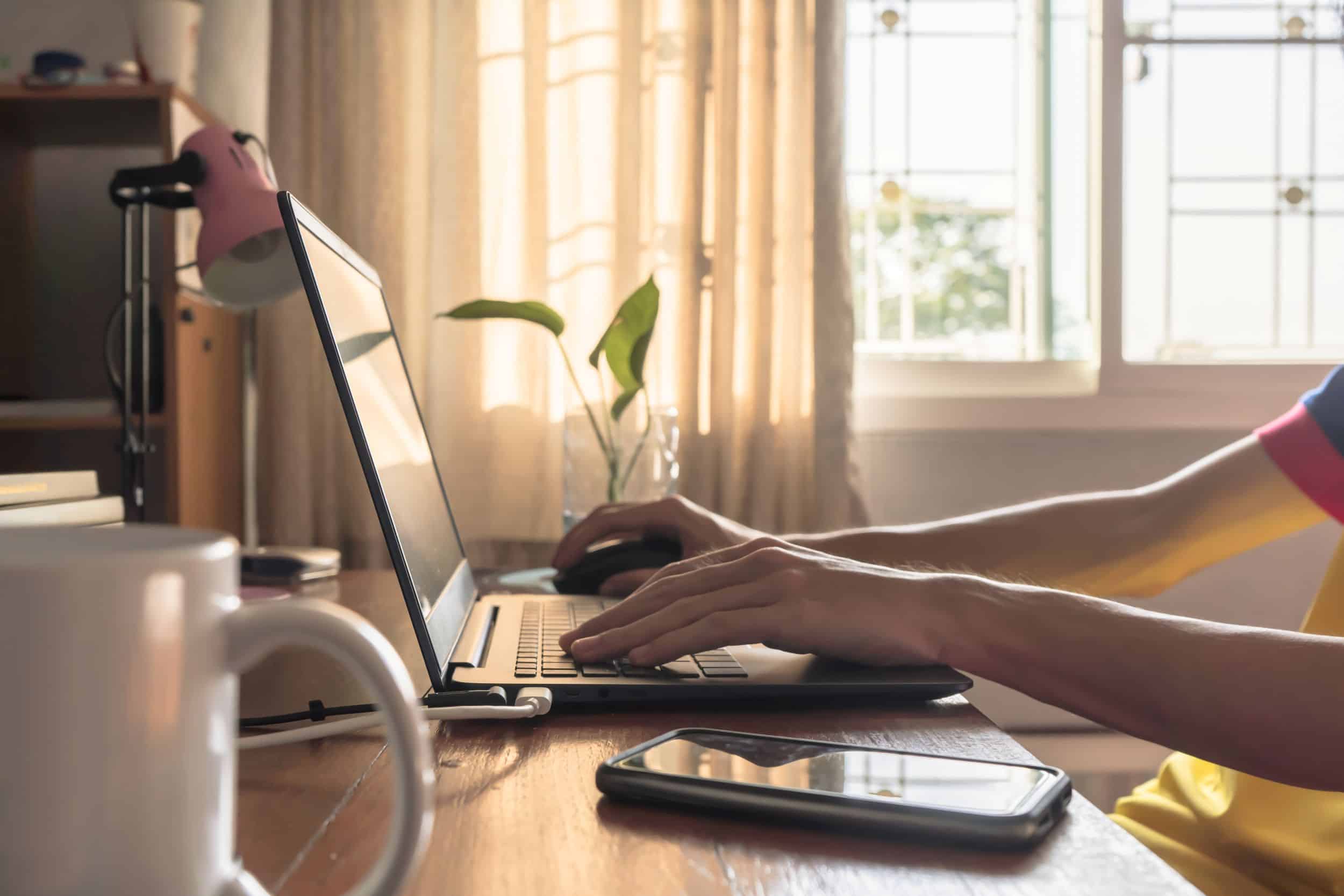
Working from home offers freedom that many professionals never imagined. People trade long commutes for sleep and swap suits for soft loungewear. However, this shift introduces unique challenges for hearing health that commercial buildings manage better. Standard offices follow noise regulations, but the average kitchen lacks these protections.
Remote workers often find themselves surrounded by a constant hum of appliances, street traffic, or loud neighbors. These sounds seem harmless, yet they add up over a full workday. Identifying these subtle auditory stressors represents the first step in maintaining wellness while working from a spare bedroom.
Unexpected Sound Levels in Residential Spaces
Most people assume homes provide a sanctuary away from the roar of a busy city center. In reality, residential areas contain persistent background noises that compete for attention. A dishwasher or a lawnmower can reach decibel levels that create physical strain. Unlike managed offices, where acoustic tiles dampen sound, many homes feature hard surfaces like wood floors.
These materials cause sound to bounce and amplify, forcing the brain to work harder. This constant exposure leads to mental exhaustion, often mistaken for simple work stress. Reducing environmental echoes helps lower the overall auditory load on the body.
The Hidden Impact of Constant Headphone Use
Remote communication relies entirely on video calls. Because workers want to block out household distractions, they wear headphones for eight hours every day. This habit creates a pressurized environment for the ears that leads to irritation or gradual damage if the volume stays high.
Many users do not realize how loud they turn up the audio just to hear over a leaf blower outside. Using noise-canceling technology helps, but it also encourages people to keep their ears covered far too long. Giving the ears frequent breaks from any device allows the auditory system to rest and recover.
Cognitive Load and Auditory Fatigue
When a workspace contains competing sounds, the mind must filter out junk to focus. This process requires significant energy and leads to auditory fatigue. A remote worker might feel drained by mid-afternoon without knowing why.
The culprit is often the struggle to separate a colleague’s voice from a humming refrigerator or a barking dog. Over time, this constant filtering makes it harder to concentrate and affects how the brain interprets speech in social settings. Creating a dedicated quiet zone helps minimize this mental drain and keeps your professional focus sharp throughout the entire day.
Acoustic Limitations of Home Design
Architects design houses for aesthetics rather than sound management. High ceilings look beautiful, but they act as echo chambers for every little noise. A person working in an open-concept kitchen deals with every clink of a glass as if it happened at their desk.
These architectural choices mean that remote workers lack the sound absorption found in professional cubicles. Simple additions like heavy curtains or area rugs help soak up excess noise. Without these modifications, the home office remains a challenging place for anyone sensitive to sound or those trying to protect their long-term hearing.
Monitoring Personal Audio Habits
Self-awareness plays a massive role in maintaining health while working remotely. It is very easy to slowly increase laptop volume throughout the day as ears get tired. Many people also use music to drown out the silence of a house, which adds hours of direct sound exposure.
Using a simple decibel meter app provides a reality check about how loud the environment actually is. If surroundings consistently stay above a comfortable level, it is time for a change. Small adjustments in managing your daily soundscape can prevent significant issues from developing down the road.
Addressing Remote Workplace Hearing Hazards
If you notice ringing in your ears or find it harder to understand conversations, take those signs seriously. Persistent noise at home causes real changes in how a person processes the world. Thankfully, professional guidance helps identify whether symptoms stem from environmental factors or something permanent.
At Aspire Audiology and Hearing Center, we can help ensure that your home office remains a safe space. Contact our hearing health professional today to find a path toward better auditory health.

