
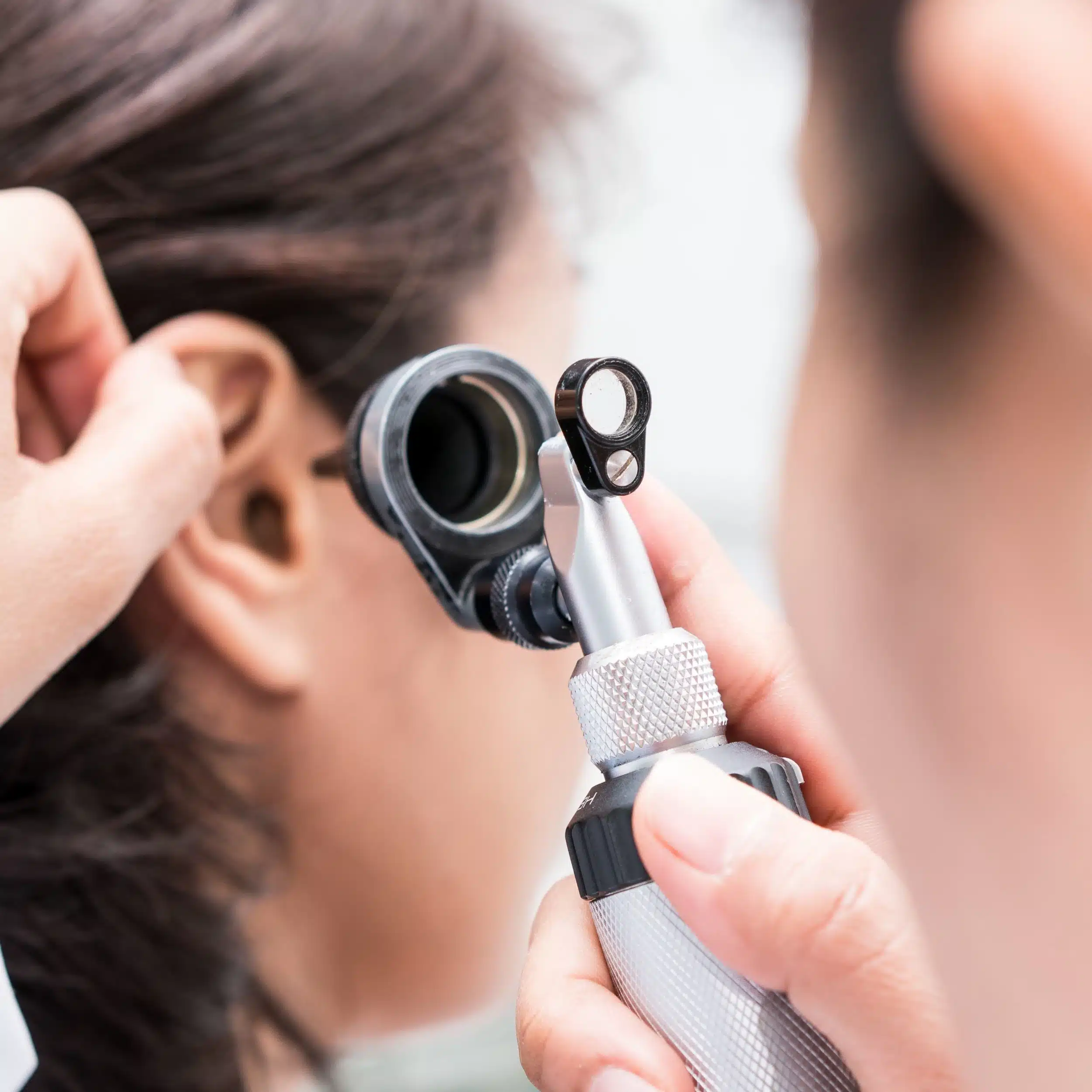
Real Ear Measurements (REM) are the gold standard for anyone exploring the possibility of using hearing technology. While many believe a computer can automatically determine perfect settings, that assumption often leads to disappointment. Every individual possesses a unique ear canal shape, which changes how sound behaves as it travels toward the eardrum.
Without measuring what is actually occurring inside the ear, the fitting process relies on guesswork and generic averages. This important verification ensures that sounds reaching the brain are clear, comfortable, and tailored specifically to the physical anatomy of the wearer.
Custom Sound Calibration for Your Ears
Generic settings might work for headphones, but hearing aids require much higher precision. Real ear measurements allow providers to see exactly how much volume a device delivers at different frequencies within the specific space of an ear canal. Small differences in canal width or length can cause certain pitches to become uncomfortably loud or remain too soft.
By placing a tiny microphone near the eardrum, the hearing health professional observes live data to guide every adjustment. This process transforms a standard device into a custom tool that perfectly matches the unique acoustic fingerprint of the individual.
Better Understanding in Noisy Settings
A major hurdle for beginners is following conversations when background noise fills a room. When a device is not calibrated through objective testing, microphones might amplify the wrong sounds, making it harder to focus on voices. REM ensures that the hearing aid correctly balances speech sounds against restaurant hums or traffic roars.
This verification confirms that high-frequency sounds needed for clarity are audible without being drowned out by low-frequency noise. Proper calibration helps the brain separate meaningful words from surrounding clutter, leading to successful social interactions and significantly less mental fatigue.
Faster Adjustment to New Soundscapes
Transitioning to hearing aids can feel overwhelming because the brain often goes years without hearing certain frequencies. If initial settings are too aggressive or poorly matched, users might feel tempted to leave devices in a drawer. Using objective data creates a smoother transition by ensuring sound is natural and manageable from day one.
This scientific approach minimizes the jarring experience of sharp or “tinny” noises that often discourage beginners. When sound feels right immediately, the brain adapts much faster to environmental audio, making the entire rehabilitation experience positive, rewarding, and sustainable for the long term.
Comfort Even for Sensitive Hearing
Comfort involves more than how a device sits in the ear; it includes how the sound feels. Many people have a narrow range between hearing a sound and finding it painfully loud. Real ear measurements verify that loud sounds stay below the threshold of discomfort while soft sounds remain audible.
This objective check prevents the startling clatter of dishes or the screech of brakes from being amplified beyond what is safe. Ensuring this balance allows for a worry-free experience where the wearer feels confident that their hearing aids will protect their ears while providing necessary amplification.
Reliable Results Without Any Guesswork
Relying on a person to describe how a hearing aid sounds is tricky because “clear” and “loud” are subjective terms. Beginners often lack the vocabulary to explain exactly what feels “off” about their new devices. REM removes the burden of description from the patient by providing hard data that shows exactly what is happening.
This takes the pressure off the individual to provide perfect feedback during the appointment. Instead of a long process of trial and error, this method gets settings right the first time, providing peace of mind that technology is performing at peak.
Start the Process with Precise Care
Addressing your hearing is a major milestone, and you deserve a partner who values your quality of life over a quick sale. By prioritizing clinical accuracy and long-term brain health, we ensure every dollar you invest delivers the clarity you’ve been missing. You shouldn’t have to settle for “good enough” when it comes to your senses.
If you’re ready for a personalized, data-driven approach that actually works, we’d love to help. Reach out today to schedule your consultation for a clear, comfortable hearing that’s uniquely yours.

