
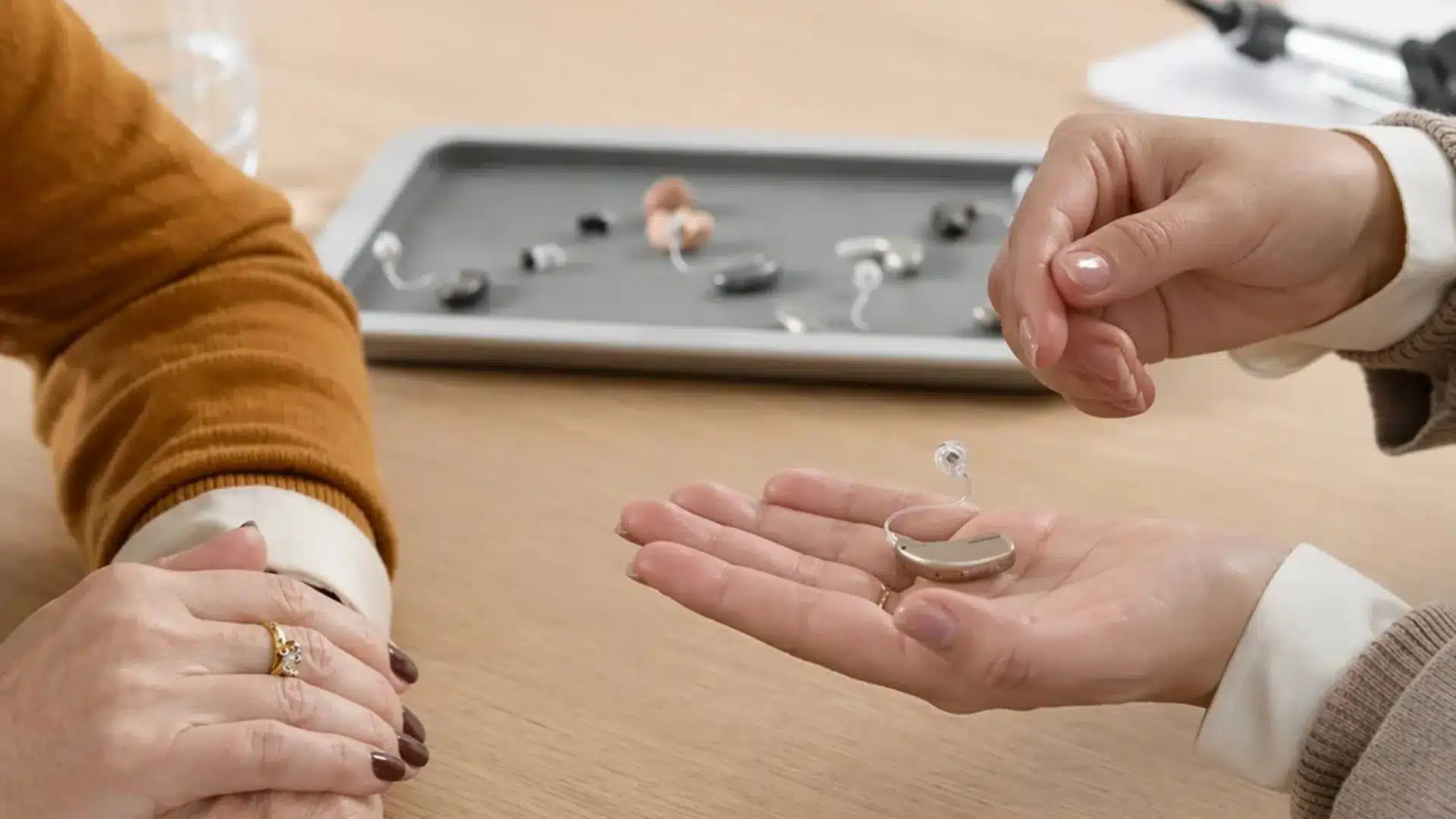
Selecting a new hearing aid often feels like entering a completely unfamiliar world filled with complex technology and endless choices. Some feel anxious when looking at different styles, price points, and electronic features. However, the entire selection process becomes manageable when broken down into small, practical steps.
A clear approach helps people focus on personal comfort and daily lifestyle requirements rather than complicated technical specifications. By keeping choices straightforward, anyone can find an effective device that fits seamlessly into everyday conversations. This clear guide outlines five simple ways to evaluate choices without feeling lost or stressed.
Start With Real Daily Hearing Needs Today
Every individual experiences unique listening environments throughout a typical week. Some people spend most days in quiet homes reading books or watching television with family members. Other individuals regularly attend noisy family dinners, busy restaurants, or outdoor community events. Identifying primary environments provides immediate clarity when evaluating potential sound amplification options.
High levels of digital processing are helpful for active social schedules, while simple designs work wonderfully for quieter routines. Focus stays sharp when individuals write down top communication goals before shopping. Matching specific daily activities directly to device capabilities eliminates confusion and keeps the decision process grounded in practical everyday reality.
Keep Every Single Option Easy and Simple
The modern market offers dozens of unique features, yet many settings remain unnecessary for simple daily communication. Manufacturers add complex phone connectivity, automatic speech tracking, and custom sound profiles that sometimes confuse new users. Choosing basic models with reliable volume controls and clear amplification often brings greater satisfaction than picking top-tier technology.
Simple controls allow users to adjust settings quickly without frustration or complicated setup routines. Focusing on straightforward functions keeps stress levels low during the initial adjustment period. Clear sound quality combined with simple controls creates a smooth transition toward better hearing, proving that extra features are not always necessary.
Focus On Comfort Before Special Features
A device only helps when a person wears it consistently throughout the entire day. Physical comfort deserves top priority when comparing different shapes, sizes, and earmolds. Behind-the-ear styles offer gentle fits for many ear shapes, while tiny custom models sit completely inside the ear canal.
Ears vary greatly in shape, so trying different physical designs remains a helpful part of the selection process. Heavy or poorly fitted devices irritate the ear canal and often end up sitting unused inside nightstand drawers. Selecting a lightweight model with a comfortable fit ensures consistent daily use and long-term satisfaction.
Set Clear Budgets To Avoid Extra Stress
Financial choices create major anxiety when people search for new hearing support. Prices vary significantly depending on style, sound processing level, and included service plans. Setting a comfortable spending limit early prevents financial strain and narrows down options instantly.
Many reliable options deliver excellent clarity at lower price points without requiring maximum financial investment. Additionally, checking personal insurance policies or community support programs often reveals helpful financial assistance options. Working within a comfortable price range allows individuals to focus on personal comfort instead of worrying about unexpected costs or high price tags.
Test Every Device During Daily Routines
Trying out a new device inside actual living spaces provides valuable insight that quiet clinic rooms cannot match. Most hearing centers offer trial periods so individuals can test devices during regular activities like family dinners, television time, and walks outside.
Real-world testing highlights how well a model handles background noise and natural conversation. If a specific device feels uncomfortable or sounds artificial after several days, adjustments or alternative models remain readily available. Patience during trial periods gives the mind time to adapt to new sounds and builds confidence in the final decision.
Simple Steps Toward Better Hearing
Finding the right hearing aid should not feel overwhelming or bogged down by technical jargon. By focusing on daily environments, personal comfort, and clear budget goals, choosing a great device becomes straightforward and empowering.
We help match specific lifestyles with hearing solutions that feel natural and perform reliably. If clear sound and effortless conversations sound like the right next step, contact our practice today to schedule an evaluation and try out comfortable options in person.

