
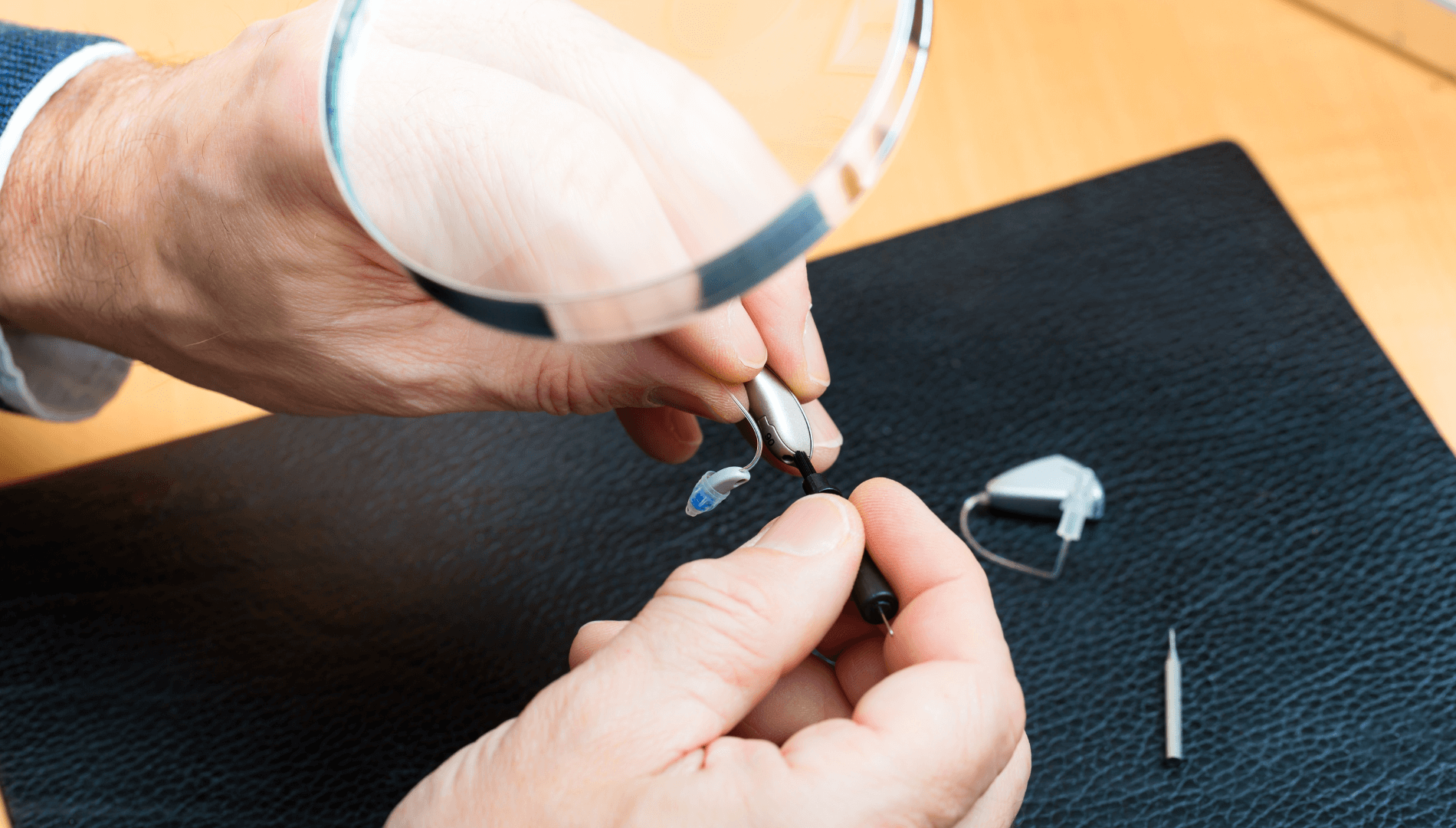
Hearing aids are an important part of staying connected to the world. They help bring clarity to conversations, make social gatherings more enjoyable, and restore confidence. Like any well-used device, they sometimes need a little extra care to keep performing their best.
It is not always obvious when repairs are needed. Sometimes the signs show up gradually and can be easy to overlook. Paying attention to these signals can make the difference between hearing clearly and missing out. Here are six signs that it might be time to have a professional take a closer look.
Sound Quality Has Become Distorted or Muffled
When a hearing aid begins to sound off, it can be frustrating. A once-clear voice may now seem garbled, scratchy, or hollow. Volume might still be there, but the crispness and clarity are missing. This change often points to a problem that cannot be fixed with basic cleaning.
Wax buildup or moisture might be affecting the microphone or receiver. However, if a thorough cleaning does not resolve it, there may be an internal issue at play. Sound distortion should not be ignored. Having the device inspected ensures it functions as intended and keeps conversations enjoyable.
Feedback or Whistling is More Frequent
Occasional feedback is common, especially when adjusting the device or placing it close to a surface. However, if high-pitched whistling starts happening frequently or during normal use, something is wrong. A loose fit, damaged tubing, or malfunctioning microphone may be to blame.
While some adjustments can be done at home, ongoing feedback requires expert attention. Ignoring the issue can lead to discomfort and make wearing the hearing aid unpleasant. A professional can pinpoint the cause and perform the needed repairs to stop the whistling and restore comfortable listening.
Volume Adjustments Are No Longer Effective
When adjusting volume no longer changes the sound output as expected, it can signal an internal problem. Whether the sound stays too quiet, too loud, or fluctuates unexpectedly, the hearing aid is not responding properly. This can result from worn-out components or software issues.
Batteries should be checked first, as low power can mimic these symptoms. If new batteries do not improve performance, it is time for a professional evaluation. Restoring proper volume control is key to enjoying everyday conversations and maintaining a consistent listening experience.
Battery Drains Much Faster Than Usual
Hearing aids should operate on a predictable battery cycle. A sudden decrease in battery life often hints at trouble. An internal short or moisture damage may be present if batteries need to be replaced more frequently or discharge after just a few hours.
This problem should not be disregarded since, if neglected, it may result in further issues. Regular battery changes are also expensive and burdensome. A technician’s examination can assist in identifying the source of the device’s high battery drain and restore dependable, regular performance.
Device Feels Uncomfortable or No Longer Fits Well
A hearing aid that once felt comfortable but now causes irritation or a loose fit should be checked. Over time, the shape of the ear or the device components can change. Comfort and fit may be impacted by broken earmolds, deteriorated tubing, or cracks in the shell.
In addition to reducing sound quality, a poorly fitted hearing aid may cause pressure sores or skin discomfort. It is preferable to get expert assistance rather than coping with discomfort. Wearing the device can feel safe and natural again with a good fitting or component replacement.
The Device Stops Working Altogether
One of the clearest signs of a problem is when the hearing aid simply stops working. No sound output at all, even with fresh batteries and after cleaning, means something inside the device has failed. Even while this might be alarming, it is often fixable. The shutdown might have been brought on by corrosion, moisture, or component deterioration. It might get worse if you try to correct it without training.
A professional examination of the hearing aid guarantees that the underlying cause is found and appropriately handled. Repairs frequently prevent the need for a total replacement by restoring full operation. To arrange for an examination or repair, contact our reputable hearing health professional.

