
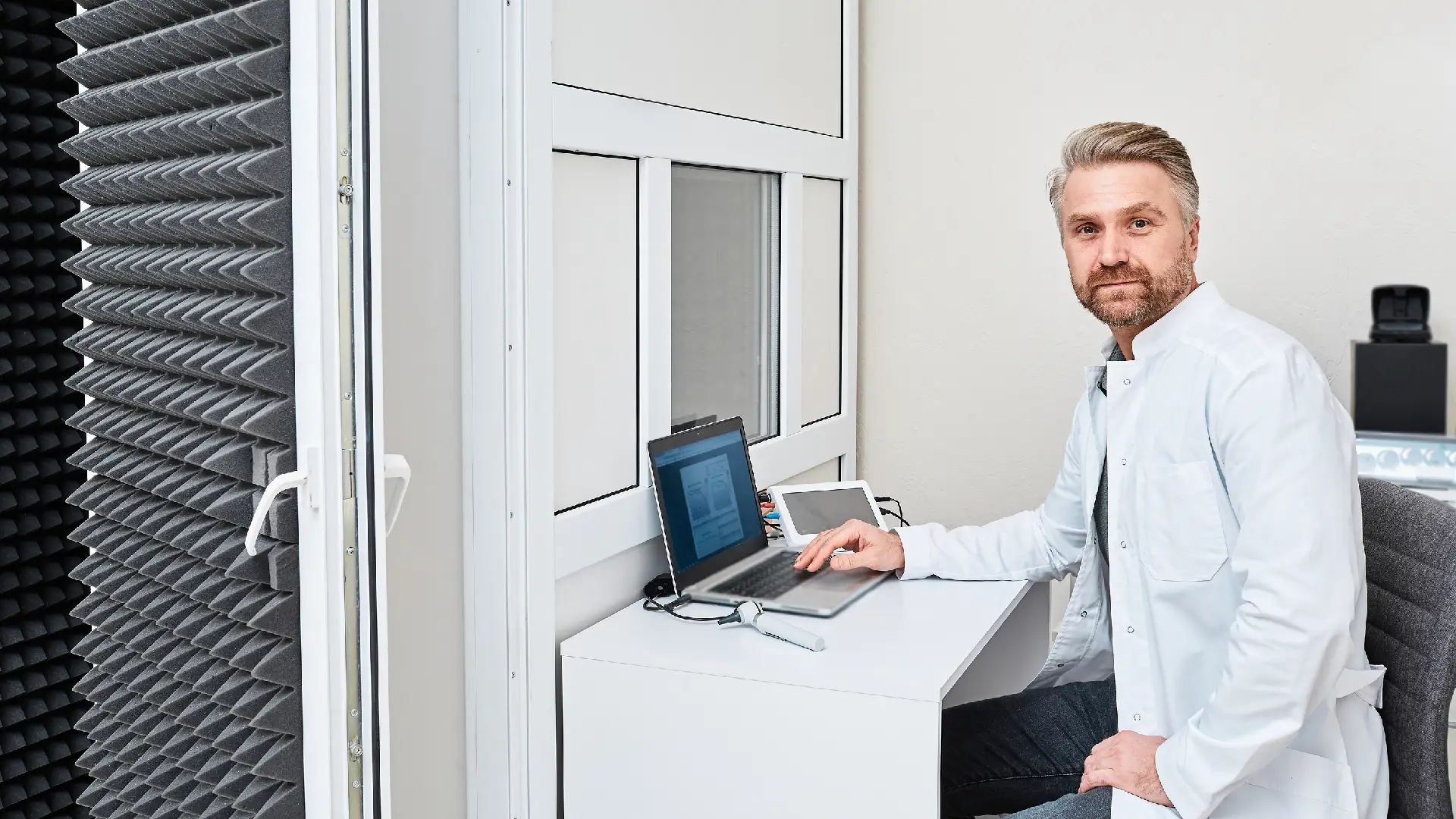
Getting hearing aids for the first time can be overwhelming, especially with the unfamiliar terms and procedures. One of these is the real ear measurement. This sounds technical, but it’s not as complicated as it seems and plays a major role in ensuring hearing aids are working well every day.
Instead of relying on the settings from the manufacturer, real ear measurement offers a more personal approach. By knowing what to expect ahead of the appointment, patients can feel more comfortable and reassured.
What Real Ear Measurement Actually Does
Real ear measurement involves fine-tuning hearing aids after they have been programmed to meet a person’s specific needs. The goal is to measure how sound goes into the ear canal when wearing the hearing aids. Everyone’s ear shape is different, and this can affect the hearing aid.
By checking the performance of the hearing aid on the patient’s ear directly, the provider can then adjust the device’s settings to produce sound accurately. So with accurate measurements, the hearing aid isn’t simply ‘on’ but is tuned in a way that matches a person’s hearing loss situation and the unique shape of the ear.
Getting Set Up for the Appointment
The appointment for real ear measurement starts by checking whether the hearing aids have been working properly. After that, the hearing health professional will prepare for the measurement by putting a thin probe microphone in the ear canal. This goes with the hearing aid, and although it feels a bit weird, it’s not painful. What the microphone does is measure the sound levels coming from the hearing aid to the eardrum.
With this data, one can check whether the settings are offering enough volume across different frequencies and that nothing is too soft or loud. The person will sit in front of a speaker while hearing different sounds. It might sound like a beep or speech at different levels. At this time, the system measures how sound behaves in the ear and gives the professional details to work with.
Making Adjustments Based on Real Results
After measuring the ear and doing the tests, the hearing health professional will make all the necessary changes. Sometimes, they only need to make minor adjustments. Other times, some frequencies might have to be boosted so speech is easier to follow. The best part of this process is that the changes are made with the data right in front of the professional, instead of guessing what sounds better.
This ensures that the hearing aids deliver the right amount of sound depending on the hearing loss and the unique shape of the ear canal. The process isn’t only about hitting a target on the screen but also about ensuring that the hearing aid user is comfortable with the sound. If something sounds too sharp or soft, it can be adjusted immediately.
What to Expect After the Appointment
After all the measurements are completed and the changes have been made, the hearing aid offers clearer and more balanced sound. The main goal is to leave the appointment with a device that offers a natural extension of daily hearing. Some people notice an immediate difference. With the ear canal free of earwax, sounds will become easier to locate, and conversations won’t be as tiring; even soft voices will be clearer.
Others might need a few days to adjust, especially if the hearing aids weren’t working right before. The hearing health professional might also offer follow-up visits to constantly fine-tune the settings over time. Hearing changes over time, so adjustments should be made regularly.
Schedule a Visit for the Best Fit Possible
Hearing aids work best when they’re programmed to match each person’s needs, not just based on averages. Real ear measurement is a step that brings that level of detail into the fitting process. It doesn’t take long, and it can make a real difference in how well the hearing aids perform in everyday situations.
For those starting the process of improving their hearing or looking to better the fit of current devices, asking your audiologist about real ear measurement is a smart move. Taking that time to get the settings just right often leads to better hearing, more comfort, and greater confidence in conversations.

