
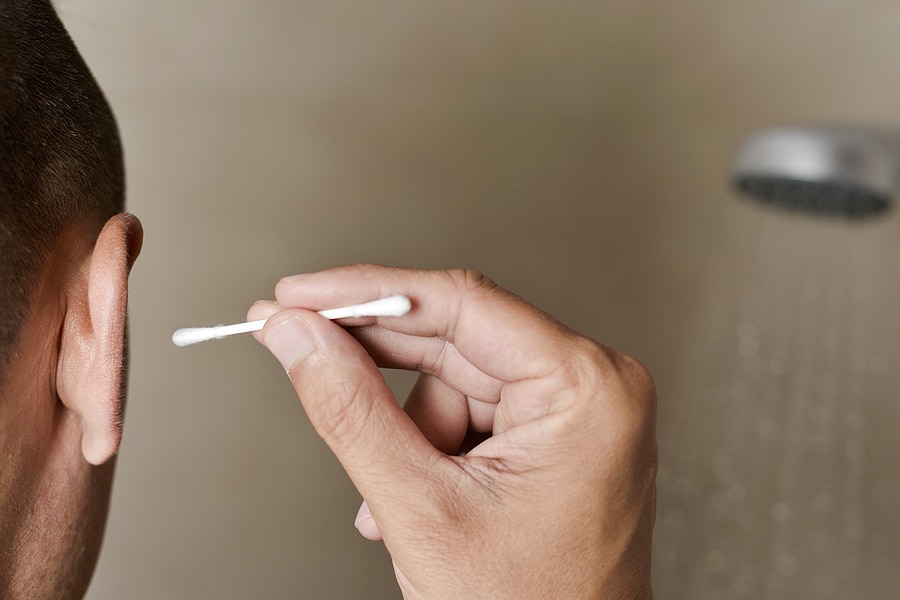
Many individuals think frequent ear cleaning is required for optimal hygiene. However, you might be surprised by the reality of ear cleaning. Left alone, the human ear has an amazing self-cleaning system that functions rather well. Knowing how ears naturally maintain themselves might help to avoid harm that sometimes follows from forceful or needless cleaning techniques. Let’s look at why too much ear cleaning could be more harmful than beneficial.
Natural Ear Cleaning Techniques
The ear canal naturally creates cerumen, also known as earwax. This material acts as a protective barrier, catching dirt, debris, and any viruses before they may penetrate farther into the ear. Earwax also has antibacterial qualities that help prevent infections.
Earwax slowly travels outward, dragging trapped debris with it, when one talks, chews, and makes jaw movements. Without any external help, this automated conveyor belt system effectively cleans the ear canal. The body generally understands how much wax to generate for best cleansing and protection.
Excessive Ear Cleaning Risks
Cleaning the ears too often upsets the natural balance and can cause several issues. Cotton swabs usually push wax further into the ear canal instead of removing it. Compacted wax can create obstructions that cause transient hearing loss, tinnitus, or ear discomfort.
Aggressive cleaning can also harm the sensitive skin of the ear canal, providing access for microorganisms and perhaps causing infections. The most worrisome danger is possible eardrum injury from objects inserted too far into the ear canal.
Signs of Ear Cleaning Issues
Some signs can suggest that your ear-cleaning practices are problematic. Pain or discomfort in the ear might indicate irritation from excessive cleaning, and itching could arise as the ear canal dries out from removing too much protective wax. Some patients report fullness or muted hearing, which might suggest impacted wax pushed farther into the canal.
Pay attention to frequent ear infections since they could indicate that cleaning techniques are either harming the ear’s protective mechanisms or bringing in bacteria. Drainage or discharge from the ear calls for medical care, as it might point to an infection brought on by a cleaning-related accident.
Safe Ear Cleaning Techniques
Most individuals need little ear cleaning. Usually, washing the outer ear with warm water during normal showers will do. Though nothing should go inside the ear canal, a washcloth can be used to clean the visible part of the ear.
Occasional usage of over-the-counter ear drops meant to soften wax might help those who create too much earwax, helping the wax to naturally exit the ear on its own. Use these drops according to the package instructions and cautiously. Wax accumulation may cause those who wear hearing aids or routinely use earphones to require more regular but still mild cleaning.
When Expert Assistance Is Required
There are times when expert ear cleaning is required. Medical treatment is required for symptoms such as ongoing ear discomfort, major hearing abnormalities, or vertigo. Using specialized instruments and methods that reduce the risk of damage, a hearing health professional can carefully inspect the ear and remove extra wax.
People with certain medical issues, such as narrower ear canals or a history of ear surgery, should avoid self-cleaning completely and instead look for consistent expert care. Consulting a hearing health professional guarantees that ear cleaning is done safely and only when absolutely necessary.
Long-Term Ear Health Maintenance
Healthy ear care practices help improve hearing and reduce issues over time. Reducing exposure to loud noises helps maintain hearing function, and maintaining ears dry helps avoid infections, especially after swimming or bathing. Instead of trying forceful self-cleaning, those prone to too much wax should plan frequent check-ups with hearing health experts.
From early on, parents should educate kids about appropriate ear care, stressing that nothing should go into the ear canal. To receive individualized advice on ear care, think about scheduling a thorough hearing assessment with our team right now.
